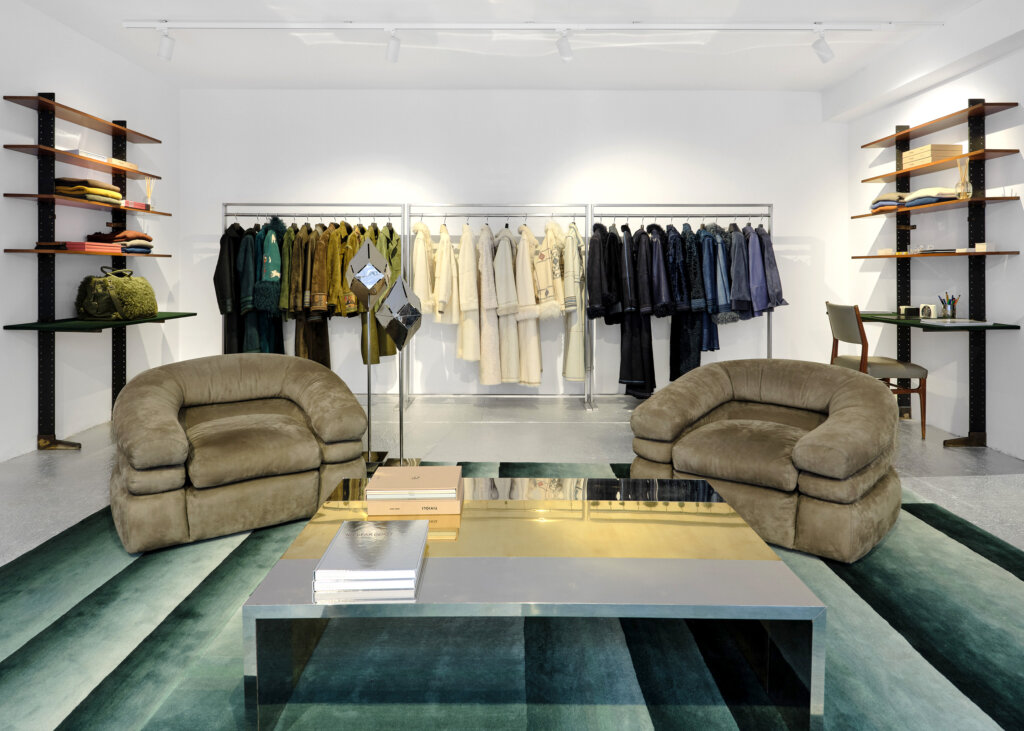
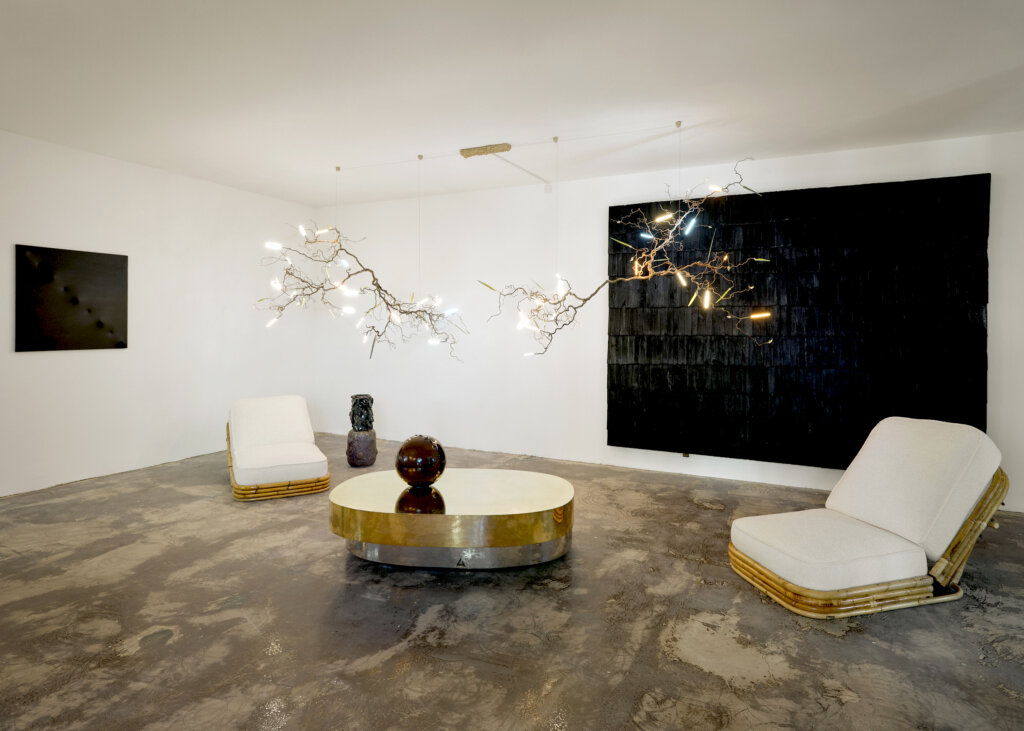
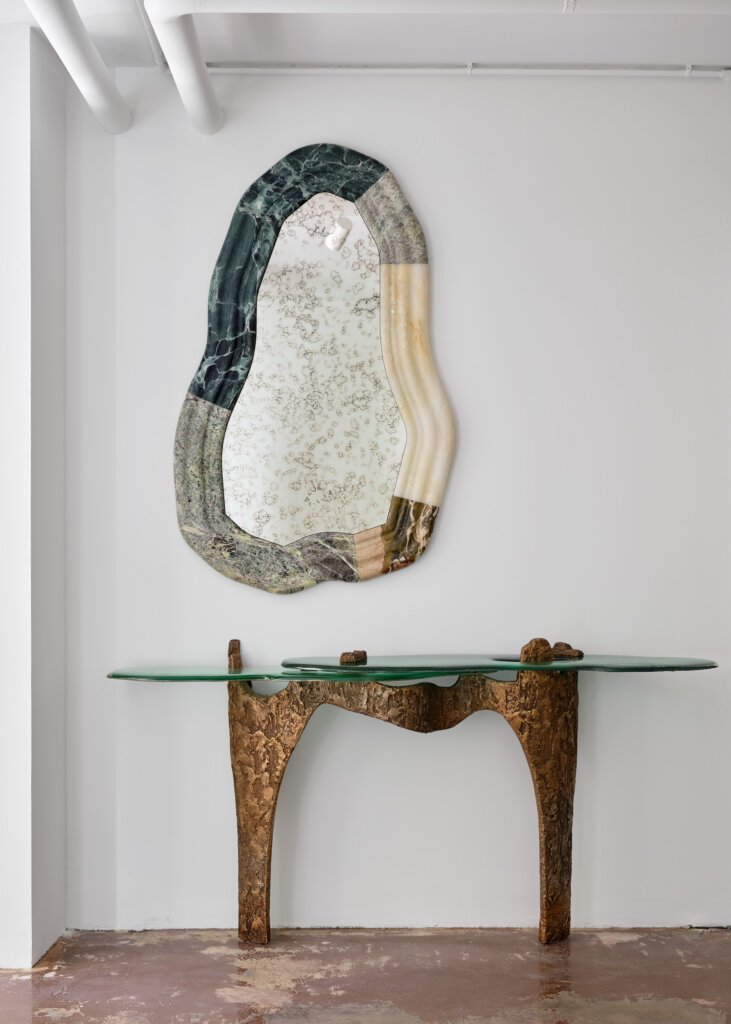
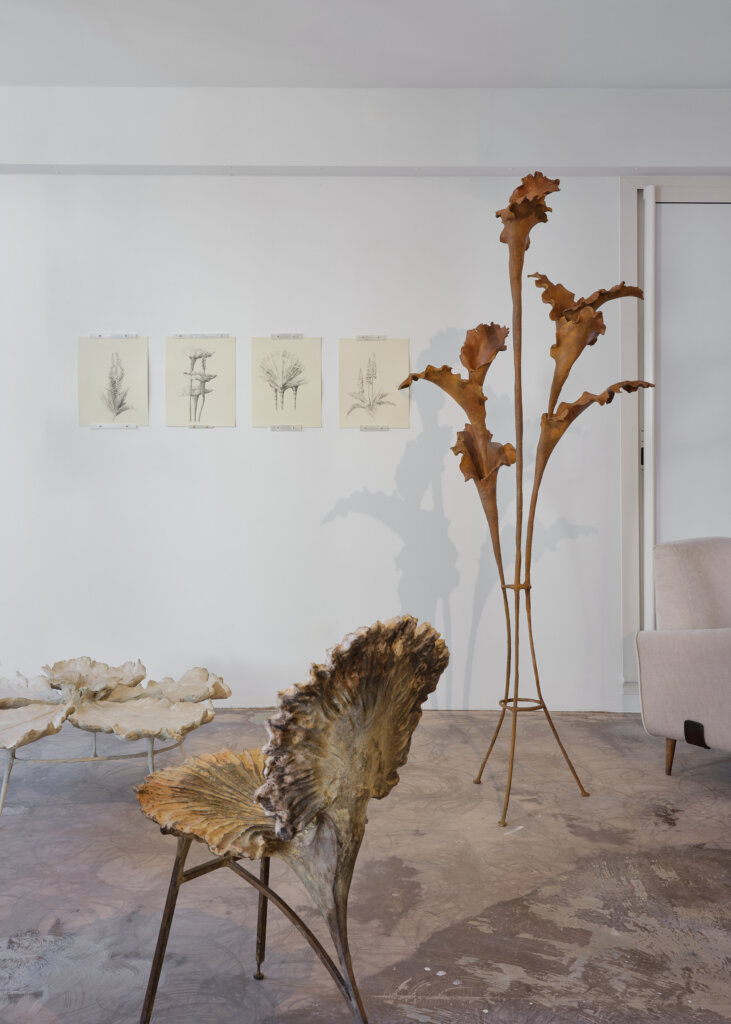
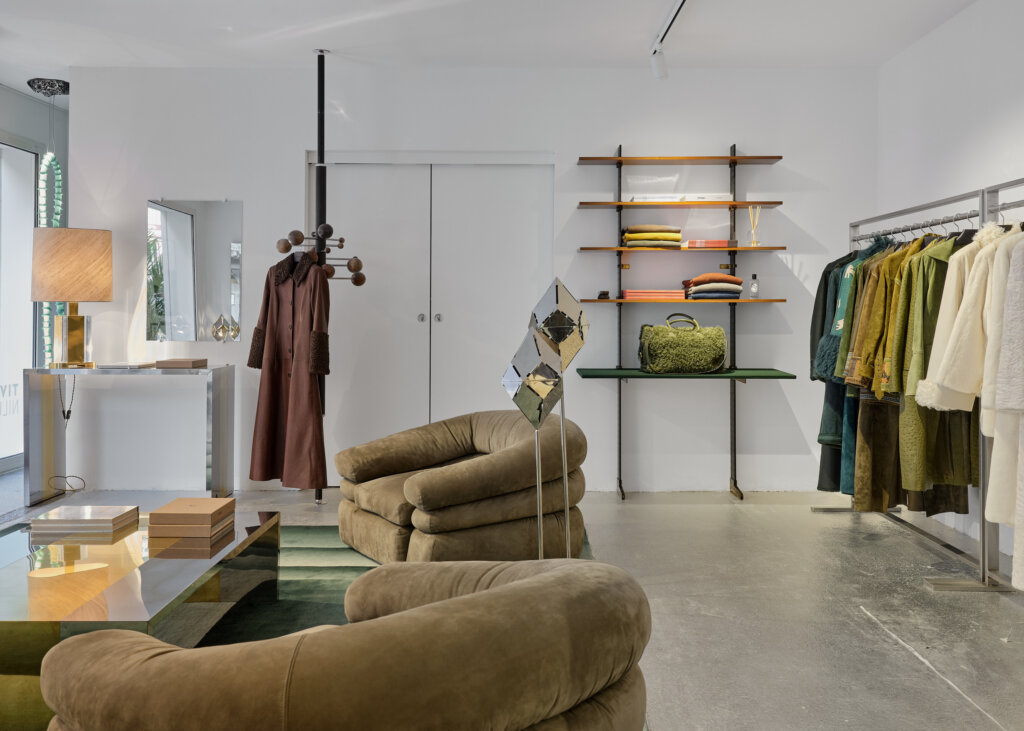
The appointment is set from November 6th in Monte Carlo, at 32 Boulevard du Moulin, in the very heart of the city, where — under the exceptional dual curatorship of Clemente Tivioli and Nina Yashar — opens TRANSLATIONS, their second collaboration. A show so charged with research, intuition, and a touch of transgression, that calling it an “exhibition” would be an understatement. Following the success of their debut in Gstaad, Tivioli and Yashar return to explore the language of luxury and the sublime, expressed through their shared, singular vision: one that embraces every form of art and translates it into a cross-disciplinary, visionary experience. Set within a 360-square-metre horseshoe-shaped layout divided into nine immersive rooms, the exhibition offers visitors the chance to uncover the secret behind this rarefied fascination. By opening the doors to a world apart — where aesthetics is not merely an element but an all-encompassing essence, embodied and reinterpreted through every artistic medium — one enters the dreamlike realm created by the visionary duo known for their “pièce unique”. Each mise-en-scène is conceived by two minds guided by intuition — daring to follow vision over rule, save for one: that of enchantment. Above all, their own. And that is not a detail — it is everything. The visitor moves from story to story, within a single narrative of total harmony between master furniture pieces, artisan clothing, and icons from the history of art. Through a daring blend of heritage and avant-garde, Clemente Tivioli and Nina Yashar, transcend preconceptions and shape a new, incomparable idea of contemporary luxury. After their debut in Gstaad — an encounter of art, design, and craftsmanship expressed through their distinctive beyond-eclectic method — the journey now continues by the sea.
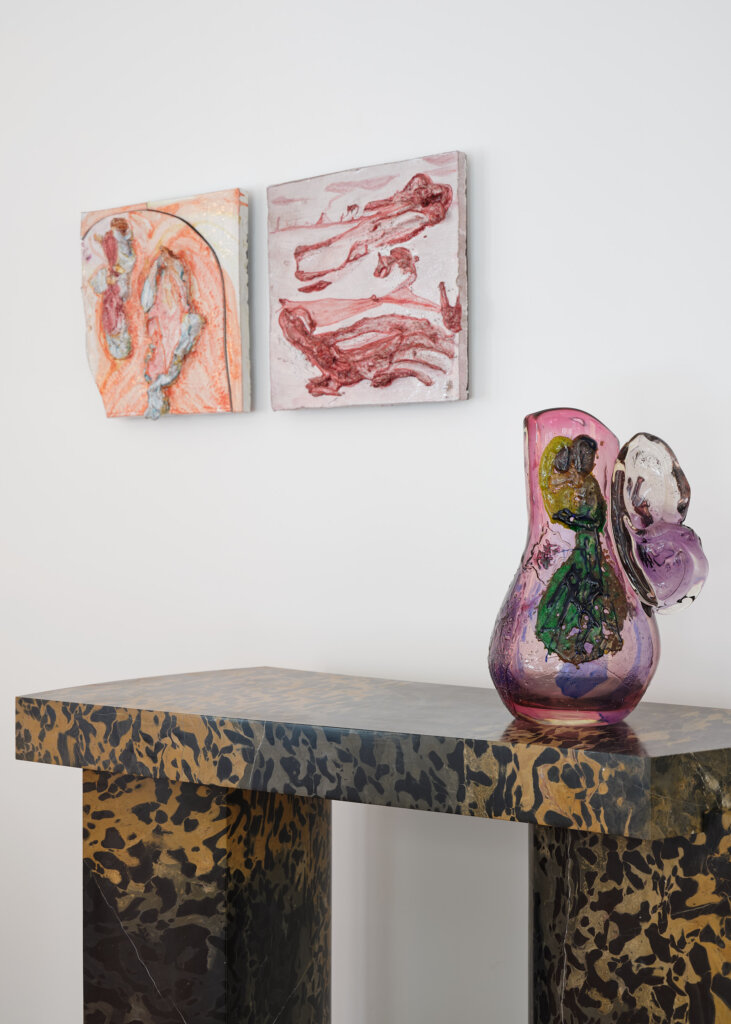
The itinerary might begin in the white-and-blue room, a tribute to the hypnotic dance of water and clouds that whimsically jewel the sun. There, upon Martino Gamper’s House Plan rug, illuminated by a lamp by Angelo Lelii, stands Patience (Les Illuminations de Rimbaud), a precious 1950 gouache by Fernand Léger. In this space, the works of Lucio Fontana (Concetto Spaziale, 1962–63) and Agostino Bonalumi (Blu, 1986) find harmony alongside the iridescent resin pieces by Objects of Common Interest, an extension of their Poikilos collection (2023), and the Knossiana table lamp and Sole mirror by Filippo Carandini, part of the Muse series inspired by celestial bodies. Elsewhere, the imposing artwork by Augustas Serapinas, illuminated by a light sculpture by Maximilian Marchesani, evokes a powerful sense of introspection — unless one discovers the works of Diego Cibelli, the Partenopean revelation whose porcelains balance between baroque excess and futuristic grace, between weight and sweetness, in perfect harmony with Etienne Marc’s contemporary furniture collection, fusing floral elements with Art Deco influence. A perfect counterpoint to Superficie (1972) by Enrico Castellani, whose monochrome canvas dialogues with the sculptural marble tables Sgraffito by Andrea Mancuso, where thousands of fine engravings are meticulously imprinted on the organic curves of solid Carrara marble. No Yashar curatorship would be complete without the vintage presence of Gabriella Crespi, represented here by one of her most iconic pieces: the Rana table lamp from the Animal series, alongside refined furniture from the Bamboo collection such as the Dormeuse Toi et Moi. Her works converse with Alighiero Boetti’s ironic piece Perché la testa è amica del piede ed entrambe di lune e maree (1989) and with the vivid ceramic bas-reliefs of Lola Montes, creating an encounter between lightness and poetry.
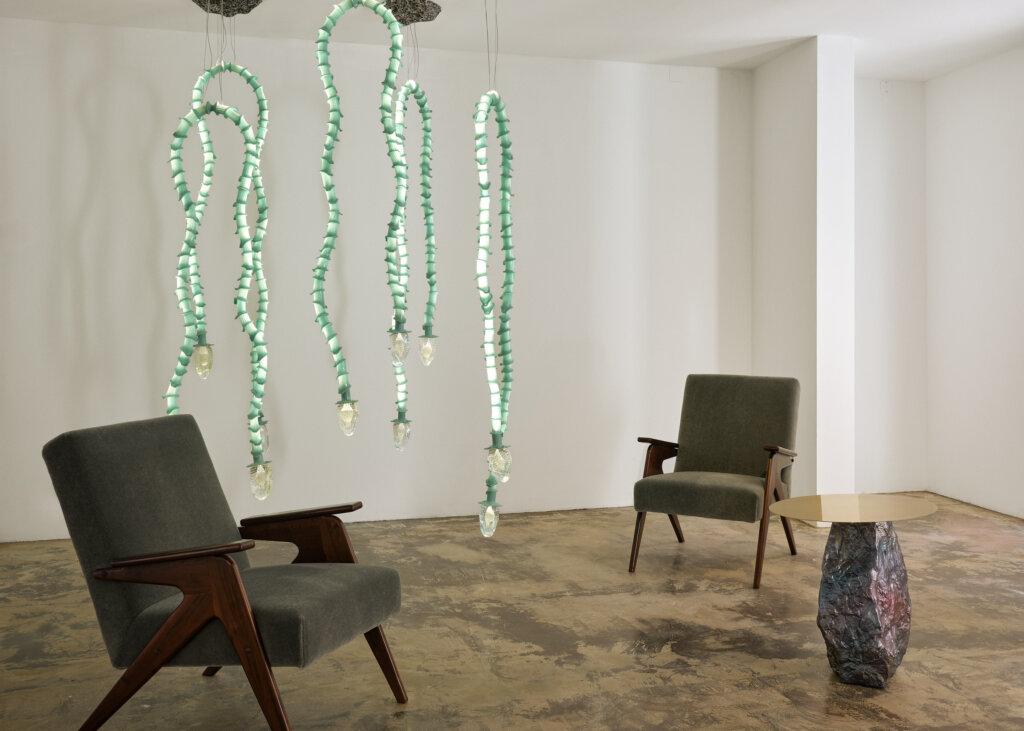
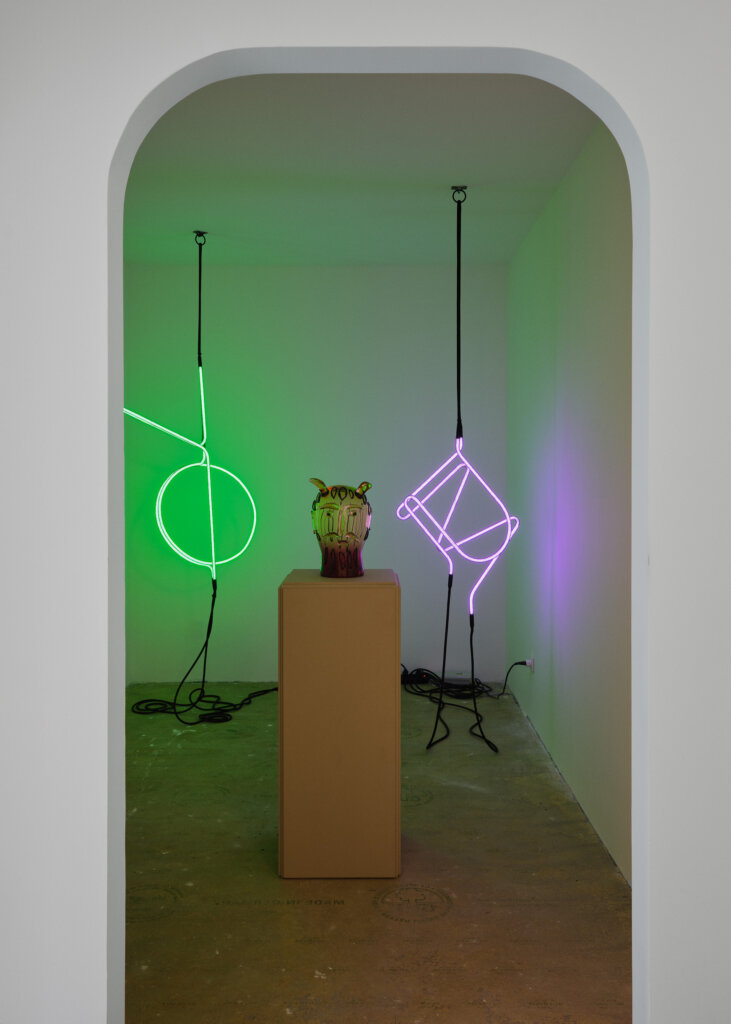
A more ancestral atmosphere emerges in the room where Lovers (1954), a blown-glass vase by Marc Chagall echoing the amorous themes of his famous paintings, coexists with the Aphanès series by Roberto Sironi — a collaboration with marble creative Palmalisa Zantedeschi, inspired by prehistoric dolmens and megaliths. Here, Christian Pellizzari’s Turtle Giant Syracus floor lamp illuminates the monolithic vintage armchairs by José Zanine Caldas, evoking a dialogue between nature, archetypes, and contemporary sculpture. Provocation, creativity, and levity define the room presenting a blown-glass Centaur Head (1962) created by Fucina degli Angeli after a drawing by Pablo Picasso, alongside the PostForma Ico chairs redesigned by Martino Gamper during his performance for the tenth anniversary of Nilufar Depot in Milan, and the neon light sculptures by Arthur Duff, asserting their free presence in space while defying gravity. In another space, S. Sapori (1966) by Piero Dorazio enters into dialogue with Christian Pellizzari’s monumental Philosophorum Floating lamp, while at the center of the room stand Lina Bo Bardi and Giancarlo Palanti’s Tridente armchairs. The craftsmanship and exoticism of Gabriella Crespi’s Caleidoscopio lamp series resonate with Jean Cocteau’s dreamlike glazed terracotta (1958 – 1963), inspired by classical tradition. Finally, the terrace unveils a selection of the most contemporary works, such as the marble furniture by the Brazilian duo Sette7, combining volumes and geometric forms to create the perfect translation of minimalism and balance, and Derek Castiglioni’s creations, including pieces from his Roma collection — defined by clean lines, minimalist forms, and a serene color palette recalling the hues of the sea and the enchanting atmosphere of the coast. In essence, those who step into Boulevard des Moulins (November 6–30) may leave with a chair, a shearling coat in an unimaginable hue, a burnt wood piece, or a ceramic fairy tale — and it will make no difference. They will have grasped the same thing: a thrill. The mechanism is always the same — you make an emotion your own. That is the true luxury: not one found everywhere, but that of those who pluck a rare flower from a magical meadow, one that no one else will ever have.